
Attention SMUD Customers
California Homeowners • SGIP Energy Storage
Protect Your Home From Rising Energy Costs
California’s grid costs are going up—whether you use more power or not. The Self-Generation Incentive Program (SGIP) helps you install home battery storage so you can store your own energy, rely less on the grid, and avoid the worst of future rate increases.
Reduce exposure to rising delivery and transmission charges
Keep the lights on during outages and Public Safety Power Shutoffs (PSPS)
Use stored solar power during expensive peak hours
No cost, no obligation. A state-licensed contractor will review your home and show you how much SGIP funding may be available.
See If Your Home Qualifies
Funding is limited and released in blocks. Enter your details to check SGIP eligibility and potential savings.
Assessment Includes: incentive eligibility check, recommended system options, and long-term savings estimate.
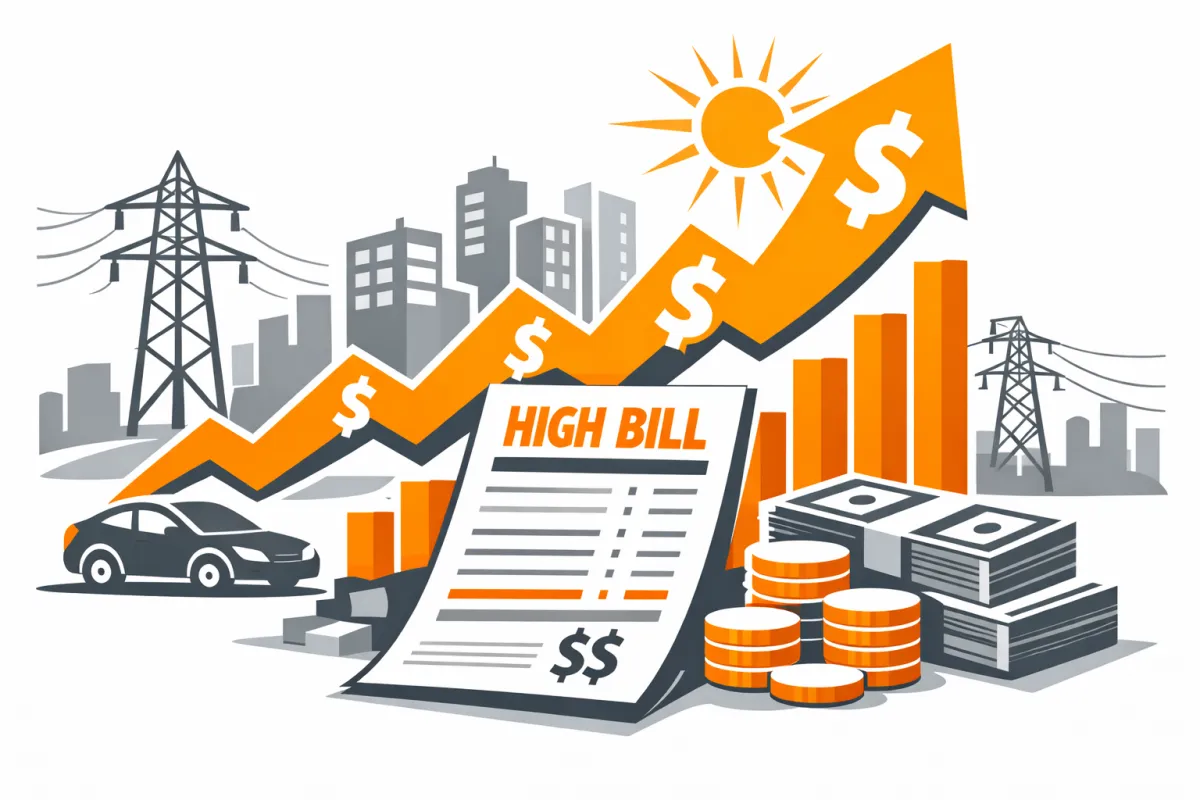
What’s Driving Your Bill Higher?
Why Energy Rates Are Increasing — Even If You Don’t Use More Power
California’s energy landscape is changing — and homeowners are feeling it. Utility companies across the state are raising delivery and transmission charges to pay for wildfire prevention, grid hardening, and renewable energy targets. These charges are tied to the cost of delivering power to your home, not just how much electricity you use.
In 2019, Assembly Bill 1054 (AB 1054) created a statewide wildfire fund and required utilities to invest heavily in:
Grid hardening and undergrounding power lines
Vegetation management around utility equipment
Wildfire mitigation and prevention plans
Upgrades to meet renewable energy and reliability mandates
These investments are necessary — but expensive. To pay for them, utilities have steadily increased delivery and transmission charges. These fees show up on your bill regardless of how efficient you are at home.
The result: higher long-term electricity costs for homeowners across California.
A Quick Look at SMUD & Other Utilities
Utilities like Sacramento Municipal Utility District (SMUD) have historically offered competitive rates. But even municipal utilities are seeing mounting costs from:
Infrastructure hardening and grid modernization
Renewable energy integration
Expanded wildfire prevention measures
Reliability upgrades and resilience planning
The trend is clear: infrastructure costs are rising, and rate structures are evolving to support those investments. Homeowners need a way to take back control.
What’s Driving Your Bill Higher?
What Is the California Self-Generation Incentive Program (SGIP)?
The Self-Generation Incentive Program (SGIP) is a state-funded program that helps California homeowners install energy storage systems and other self-generation technologies. In response to wildfire-related Public Safety Power Shutoffs (PSPS) and growing grid reliability concerns, the program was expanded to make home battery storage more accessible.
SGIP provides financial incentives that can significantly reduce the upfront cost of installing a qualified battery storage system at your home.
Store solar energy for use during peak hours
Reduce reliance on the grid and delivery charges
Lower exposure to rising transmission costs
Provide backup power during outages and PSPS events
Increase your home’s overall energy resilience
Why SGIP Is the Strategic Solution
It addresses the root issue — grid dependency
It helps offset infrastructure-driven rate increases
It provides protection during outages and PSPS
It supports California’s renewable energy and wildfire safety goals
Rather than absorbing ongoing rate increases year after year, SGIP empowers you to generate and store your own power. With a well-designed system, many homeowners can reduce exposure to peak pricing and delivery charge volatility — and gain greater control over long-term energy costs.
Funding is limited and allocated on a first-come, first-served basis. Once a funding block is fully subscribed, incentives can be reduced or closed.
Is Your Home a Good Fit?
Who Qualifies for SGIP Incentives?
Eligibility depends on a few key factors. A state-licensed contractor will review your situation and confirm whether your home qualifies — and which incentive level you may receive.
Your Utility & Location
Eligibility is tied to your utility provider and where your home is located. Some areas — especially high fire-threat districts — may qualify for enhanced incentives.
Your Home & Solar Setup
Whether you already have solar or are considering it, your roof, electrical panel, and energy usage pattern all affect the system design and incentive amount you may receive.
Your Utility & Your Energy Goals
Some homeowners prioritize emergency backup, others want to reduce long-term bills, and many want both. Your contractor will tailor recommendations to your specific goals and budget.
If you received our mailer, your home may be in an area specifically impacted by increasing delivery and transmission charges.
Funding Is Limited
Take Control Before Rates Rise Again
SGIP funding blocks open and close over time. Waiting to explore your options may mean lower incentives — or missing out entirely. A short, no-cost assessment now can lock in today’s opportunity and help you plan for long-term energy stability.
Store solar energy for use during peak hours
Reduce reliance on the grid and delivery charges
Lower exposure to rising transmission costs
Provide backup power during outages and PSPS events
Increase your home’s overall energy resilience
No pressure, no obligation. Just clear answers from a state-licensed contractor who understands California’s energy landscape.
Schedule Your No-Cost Home Assessment
Complete the form to connect with a state-licensed contractor who will review your home and walk you through SGIP-eligible options.
First & Last Name
Home Address
Email & Phone Number
That’s all we need to check if your home is in an eligible area and estimate what SGIP funding could look like for you.
That’s all we need to check if your home is in an eligible area and estimate what SGIP funding could look like for you.
Is Your Home a Good Fit?
SGIP & Home Battery FAQ
Does SGIP require me to already have solar panels?
Not necessarily. While many homeowners combine SGIP battery storage with existing or new solar systems, there are program pathways that support stand-alone storage in specific situations. During your assessment, the contractor will review your current setup and explain which options apply to you.
Is the home assessment really free?
Yes. The assessment is provided at no cost and with no obligation. Its purpose is to determine whether your home qualifies, estimate available incentive levels, and outline recommended system designs — so you can make an informed decision.
How long do SGIP incentives last?
SGIP is funded in blocks that open and close over time. Once a block in your area is fully subscribed, incentives may be reduced or closed out. That’s why it’s important to check eligibility and reserve funding as early as possible.
Will a battery really help during outages or PSPS events?
Yes. A properly sized and installed battery can power critical loads (such as lights, refrigeration, communications, and selected outlets) when the grid goes down or during Public Safety Power Shutoffs. Your contractor will help you decide which circuits to back up based on your priorities.
Submit Your Information to Learn More
Fill out the brief form below to schedule your no-cost home assessment and learn how SGIP can help protect you from rising energy costs.
What we’ll review with you:
If your home qualifies for SGIP incentives
How much funding may be available
Recommended system options
Your potential long-term savings
Next step: After you submit, a licensed contractor will contact you to confirm details and schedule your assessment at a convenient time.
Your information is used only to provide your SGIP assessment and will not be sold.